Heritage & Archaeology
From prehistory, through Rome, to the Middle Ages
Traces of life in the Bileća area reach into prehistory — over 1,400 tumuli, hillforts and cairns have been recorded. Many sites remained unexplored beneath the waters of Bileća Lake.
In the Trebišnjica valley, at Panik, stood the ancient Leusinium, where an epigraphic monument from the 1st century AD was found — the first written historical source about Bileća. From the Middle Ages come the stećci: the Grebnice necropolis (Radmilovića Dubrava, Baljci) was inscribed in 2016 on the UNESCO World Heritage List as part of the serial property “Stećci”.
What to expect
Baljci stećci necropolis
Grebnice-Bunčići, Radmilovića Dubrava; UNESCO (2016), 291 monuments.
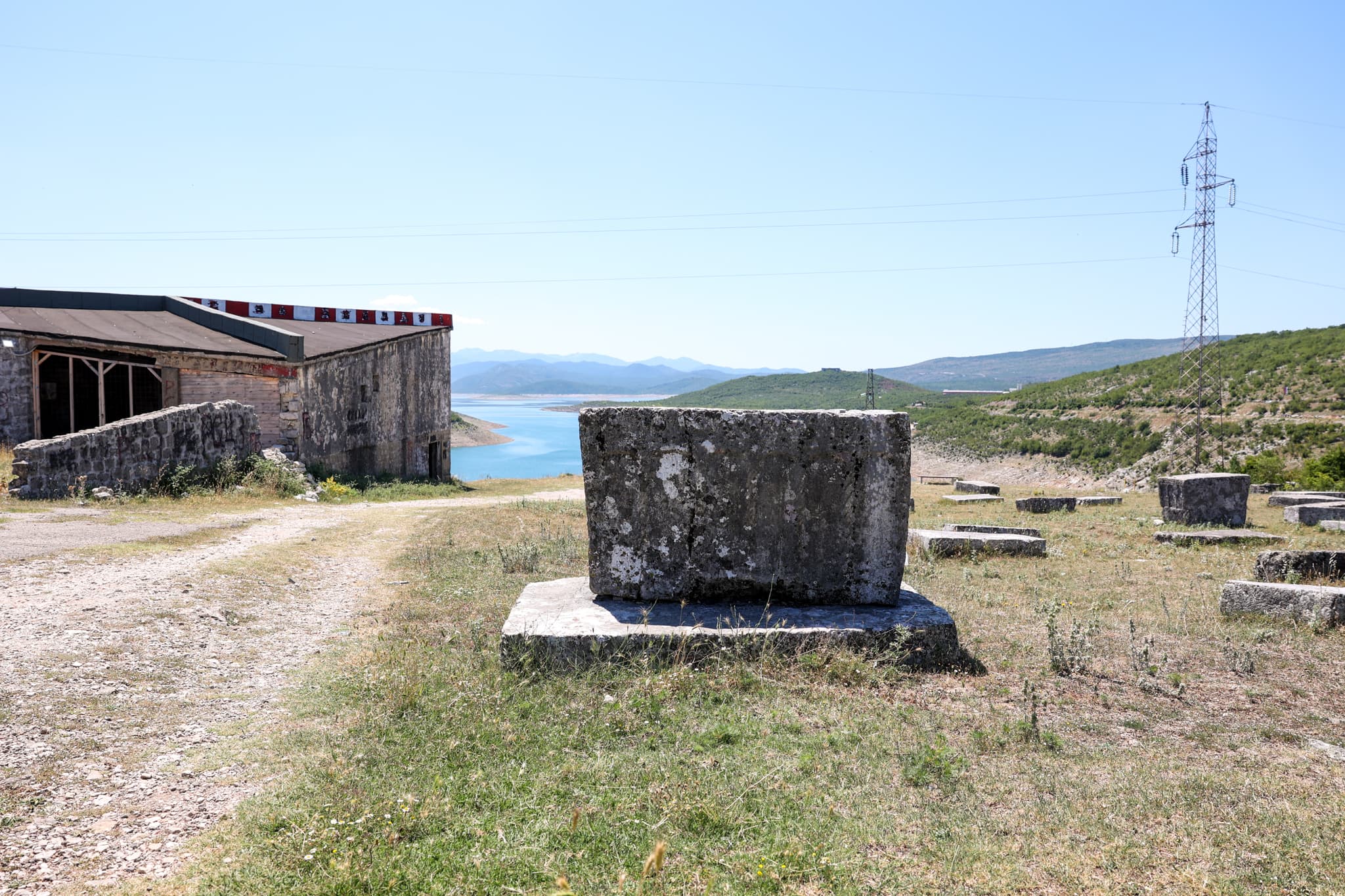
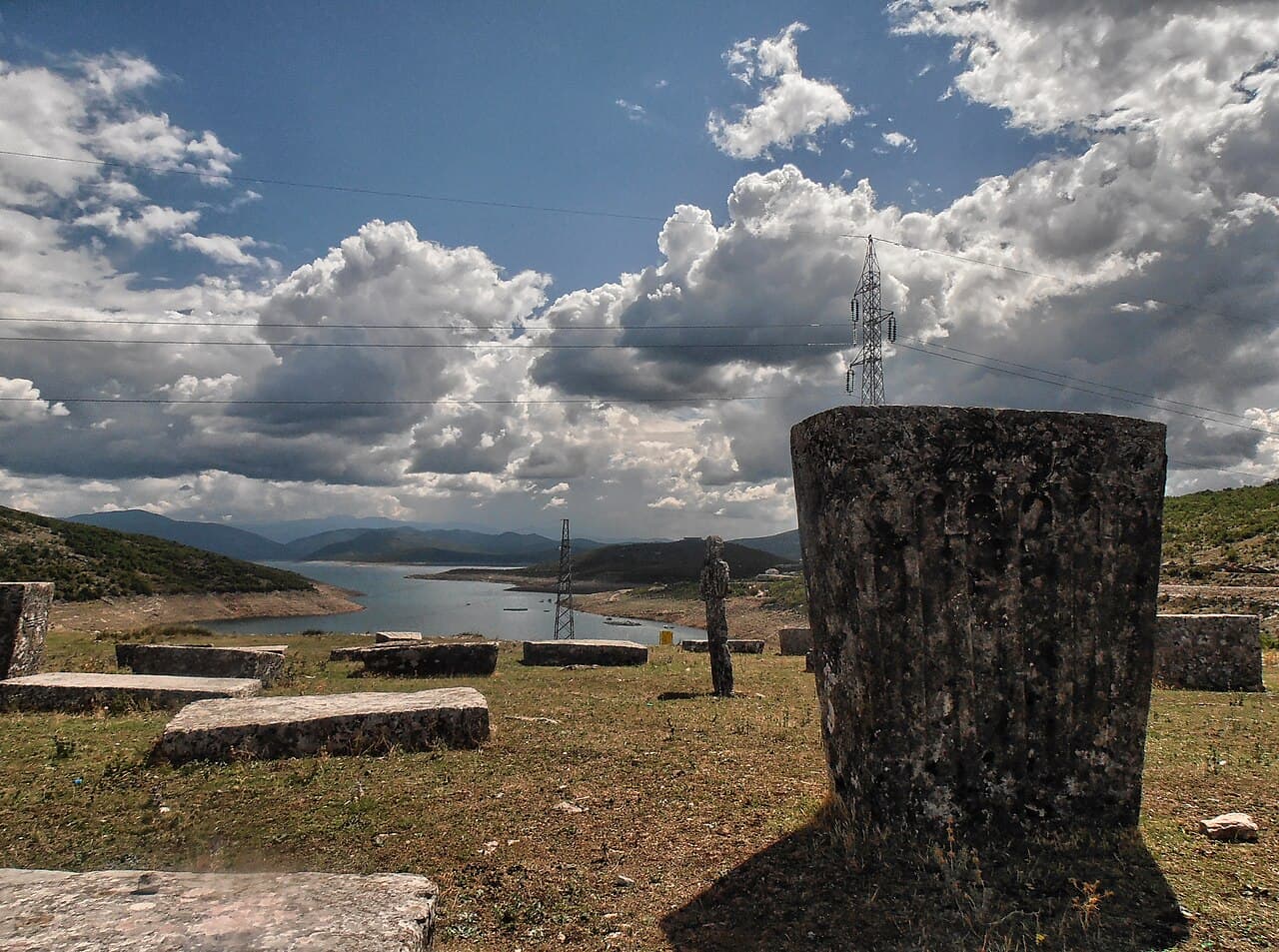
Necropolis near Bileća Lake
An artificial necropolis at the southern entrance to Bileća; 462 stećci relocated in 1964 ahead of the valley's flooding — the largest collection of its kind in BiH.
Vlahinja stećci necropolis
Another necropolis of medieval tombstones in the Bileća municipality.
Leusinium (Panik)
An ancient site; its story told through the museum.
Prehistory
Over 1,400 tumuli, hillforts and cairns.
Vučji Do (1876)
A famous battle; the memorial lies on the Montenegrin side, ~6 km from Bileća.
Stećci and heritage in photos